A Neighbourhood Skill-Swap Afternoon, Planned Without a Shopping List
Plan a neighbourhood skill-swap afternoon with one skill per person, ordinary materials and clear safety boundaries, so neighbours can share useful know-how simply.
A neighbourhood skill-swap afternoon needs a clear limit on what people teach, especially when an offered skill involves a sharp tool. Ask neighbours to share everyday knowledge, not to demonstrate risky techniques; a useful gathering does not need a live knife-sharpening lesson.
Set a modest shape
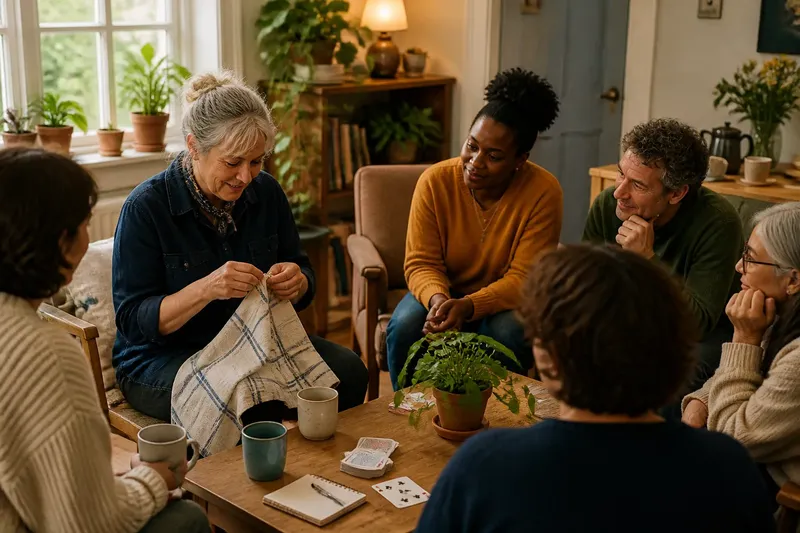
Choose a familiar place with room for a small group to hear one another: a shared courtyard, community-room table or someone’s sitting room. Invite a circle the space can hold comfortably. A handful of people makes it easier for everyone to have a turn.
Pick a broad afternoon window and tell guests when the shared activity will begin. People can arrive, have a cup of tea if it is already available, and settle in without a formal welcome or a programme printed on card.
Say plainly that there is no shopping list and no special equipment to bring. A skill can be explained with hands, spoken instructions or an everyday item the teacher already owns. If an activity needs a particular object, the person sharing it can mention that in advance and decide whether to bring it.
Choose a place before choosing a theme. The room, not an ambitious plan, sets the useful limits.
Invite one skill
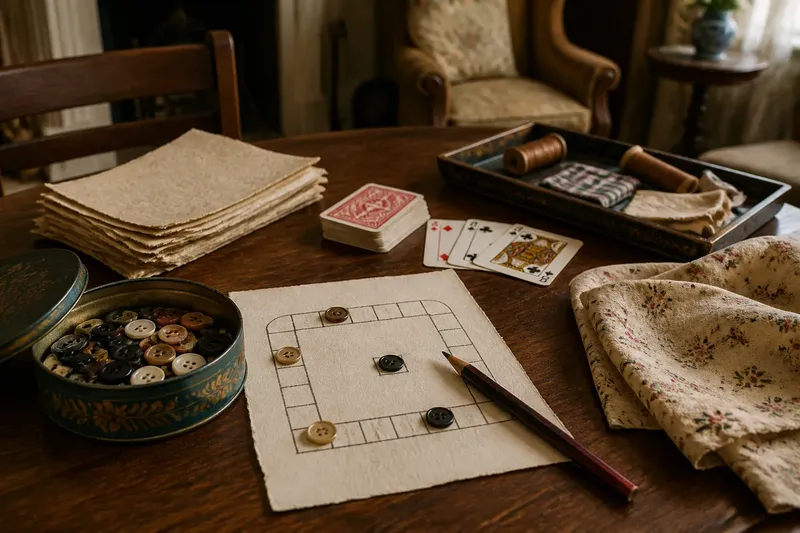
Ask each neighbour to offer one skill that can be shared informally. Suitable choices include mending a loose button, folding a fitted sheet, teaching a simple card game or explaining how to ask a plant-sitter to care for houseplants while the owner is away. For knife care, keep the discussion to general precautions and when to consult a qualified professional; do not demonstrate sharpening or invite participants to handle a blade.
Give the invitation a clear shape. Ask people to reply with the skill they would share and whether it needs a prop. That lets the organiser spot overlaps and avoid a room full of nearly identical demonstrations, without turning the replies into an application form.
Make it clear that observation counts as participation. Someone may know a useful technique but prefer to watch before trying it. Nobody needs to disclose personal circumstances or teach a skill they would rather keep private.
Say “one skill” in the invitation. It is a useful boundary for people who arrive with a whole syllabus.
Keep supplies ordinary
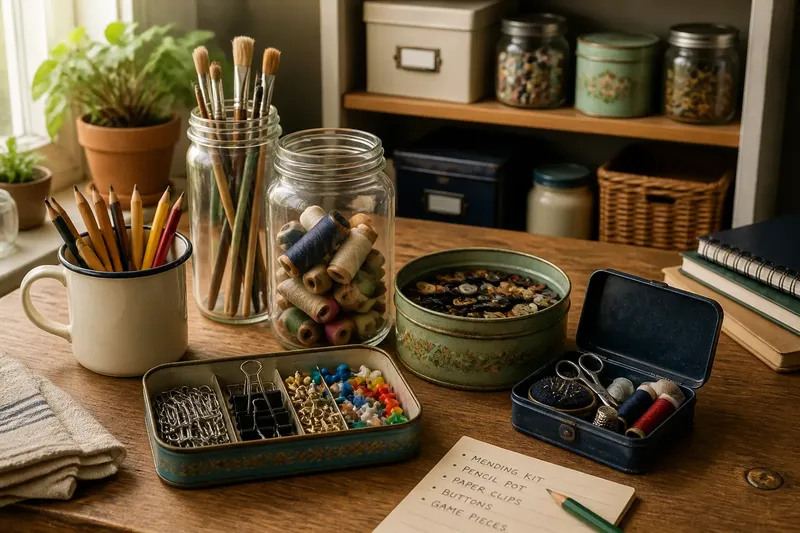
Build the afternoon around what is already available. A demonstration can use a coat with a loose button, a deck of cards, a houseplant or a clean tea towel, provided the person sharing it is happy to bring the item. Some skills need no object at all: a neighbour might explain how they remember names or show a simple way to organise a weekly meal plan on paper.
Do not ask guests to bring duplicate materials for everyone. If trying the skill requires an item, invite people to pair up around the one example or take turns with the teacher’s object. If that would be awkward, choose a demonstration that can be understood by watching.
Imagine a neighbour wants to show how to patch a small tear. They offer to bring a worn tea towel and needle, while everyone else arrives empty-handed; the group watches the repair and asks questions, leaving with a clearer idea of the method rather than a new pile of supplies.
Keep food optional and separate from the skill-sharing promise. A shared gathering need not become a potluck, which can quietly replace the original invitation with another task.
Give each turn room
For a small group, offer each person a short turn, then leave space for questions and a change of activity. Avoid promising a precise timetable if arrivals may be casual. A simple order agreed at the start is enough; people can pass, swap places or leave early without apology.
Arrange chairs so everyone can see the demonstration, and keep the route through the room clear. For a hands-on skill, let the teacher decide whether participants can handle the object. A demonstration is still useful when everyone stays seated and watches closely.
Keep the sound level in mind. If two people teach at once, conversation can become difficult, especially in a shared room or courtyard. Run one activity at a time, or place quiet conversations well apart from the main group.
Ask before photographing, recording or sharing someone’s instructions online. A neighbourly afternoon is not an automatic invitation to make everyone’s hobby public.
Plan for different comfort
Offer a mix of talking, watching and trying, rather than assuming every guest wants to perform in front of the group. A person who is nervous about teaching can pair with a friend, demonstrate informally at the table, or explain a method while someone else shows it.
Keep practical instruction within everyday, low-risk territory. If an idea involves electrical work, gas, structural repairs, hazardous chemicals, knife sharpening or another safety-critical task, do not demonstrate the technique. Leave practical instruction to a qualified professional. The group can discuss what to ask a tradesperson or how to find appropriate help without turning the gathering into a lesson in dangerous work.
Make the space accessible in the ways you can: mention stairs, seating and the location of the toilet in the invitation, and ask privately if someone needs a particular arrangement. A neighbour should not have to make a public announcement to find out whether they can take part.
Questions neighbours ask?
How many people should I invite?
Invite a small circle that the chosen room can hold comfortably, with enough space for people to hear and see. If more neighbours are interested, arrange another afternoon rather than squeezing everyone around one demonstration.
What if nobody has a skill to teach?
Describe a skill as something learned through ordinary life, not a formal qualification. People may offer a useful household habit, a game, a craft technique or a way to care for a plant, and can choose to share it together.
Should guests bring food or equipment?
Neither is necessary. Tell guests to bring themselves and one skill to share; the person leading a demonstration can mention any ordinary item they are already bringing.
Can someone teach knife sharpening?
Keep the subject to general precautions and deciding when to seek qualified help. Do not show sharpening techniques or ask neighbours to handle a knife during a casual gathering.
Close without ceremony
Before people leave, invite them to name one thing they enjoyed learning and one skill they might offer another time. Keep the response voluntary and brief. It can help shape a future gathering without turning this one into a feedback exercise.
Thank the people who shared, return borrowed furniture to its usual place and leave the room as it was found. If you invite the same neighbours again, use the skills they actually offered as the starting point. A neighbourhood skill-swap afternoon works best when useful knowledge stays within the group’s comfort and safety, and nobody has to buy a thing to take part.